How Majestic Deck Builders Austin Delivers Beautiful Outdoor Living
Cost-Effective Deck Building Solutions: Increase Your Home's Value
Budget-friendly deck construction services offer a practical option for homeowners looking to elevate their property's value. A carefully crafted deck not only elevates the appearance of outdoor spaces but can also be attractive to prospective purchasers. By selecting budget-friendly materials and experienced builders, homeowners can achieve a desirable outdoor space. However, understanding the specifics of deck design and materials is important. What factors should one consider to guarantee a worthwhile investment?
Why You Should Invest in Affordable Deck Building for Your Home
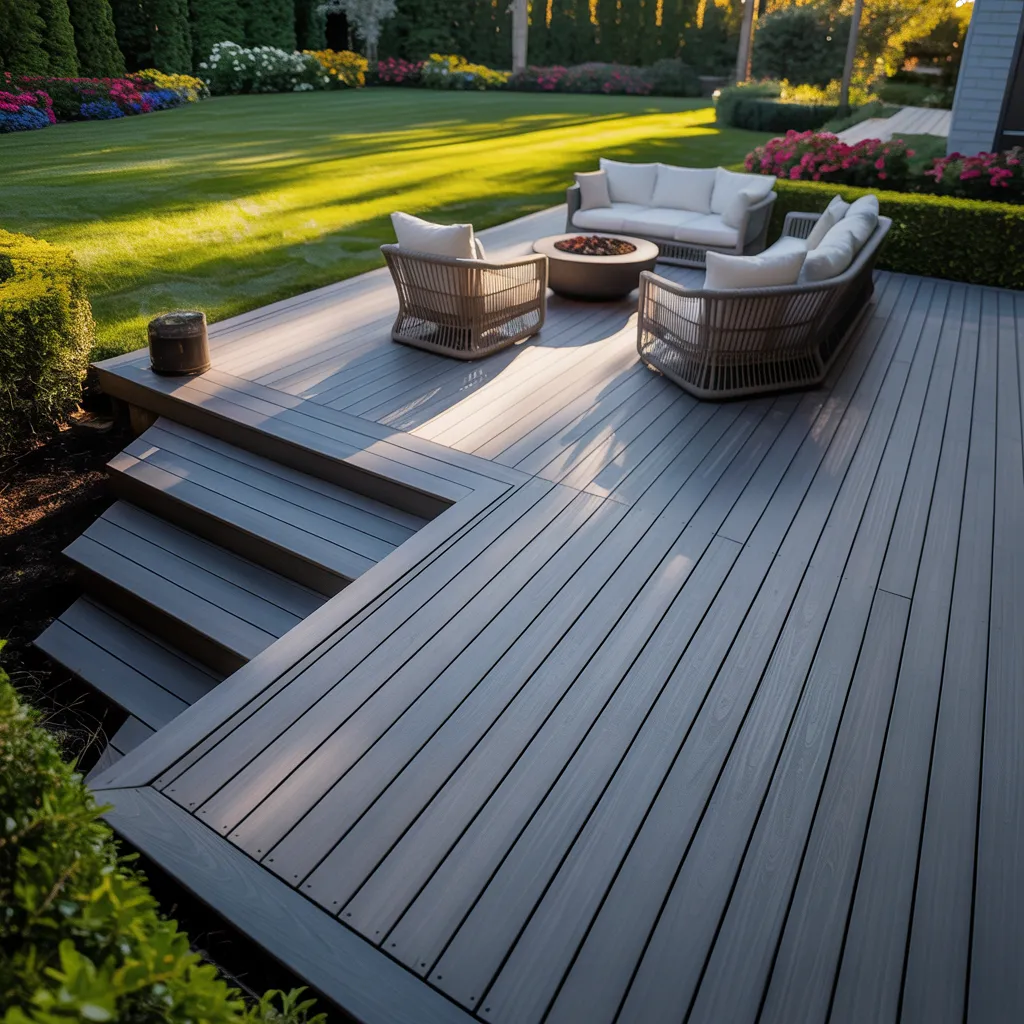
Investing in affordable deck building can significantly improve a home's value and appeal, especially when property owners understand the enduring rewards. A key reason to consider this investment is the increased outdoor living space it offers. A well-designed deck functions as an outdoor extension of the house, offering a flexible space for relaxation, entertainment, or dining. Additionally, decks can encourage a more active way of living by inspiring time spent outdoors.
Furthermore, cost-effective deck construction can lead to higher resale values. A carefully crafted deck often attracts potential buyers, making homes more attractive on the market. Durability and low maintenance costs associated with quality materials contribute to the deck's practicality and appeal. Ultimately, the decorative upgrade that a deck brings can cultivate a warm and appealing space, fostering a sense of comfort and enjoyment. Property owners who thoughtfully invest in deck installation are positioned to enjoy both immediate and future benefits, improving their quality of life.
How a Deck Boosts Your Home's Curb Appeal
A beautifully crafted deck serves as a remarkable focal point that greatly elevates a home's exterior appeal. Its presence revitalizes outdoor spaces, inviting potential buyers and visitors to envision casual entertaining or serene evenings. A well-designed deck enhances the home's architecture, creating a harmonious aesthetic that elevates overall aesthetics.
Furthermore, the materials and finishes incorporated can express a homeowner's style, adding to visual appeal. Vibrant landscaping matched with a deck can establish a balanced living environment, accentuating the property.
In communities where properties often resemble one another, a distinctive deck can distinguish a home from the rest, demonstrating character and thoughtful design. This addition not only enhances visual appeal but also reflects a deliberate investment in the property, making it more desirable within the competitive housing market. Ultimately, a deck serves as both a functional space and an aesthetic upgrade, significantly elevating curb appeal.
Deck Materials and Their Costs
When evaluating deck materials, homeowners frequently compare the advantages of wood and composite alternatives. Every material offers distinct benefits and differing price points that can greatly impact total project costs. Analyzing these factors supports making informed decisions aligned with specific needs and financial considerations.
Wood Deck Options
Wood decking choices provide homeowners with numerous alternatives that address both design tastes and budgetary needs. Popular materials include pressure-treated pine, recognized for its cost-effectiveness and durability, making it a popular option for financially mindful installations. Cedar and redwood deliver a more authentic aesthetic and protection against deterioration, although they are available at a greater expense. Tropical hardwoods, such as ipe and mahogany, provide exceptional durability and beauty but can greatly increase overall expenses. Furthermore, upkeep requirements, such as treating and protecting the wood, could influence ongoing financial commitments. In the end, choosing the right wood decking requires balancing initial investment with desired longevity and visual appeal, ensuring homeowners achieve a satisfying return on their investment.
Benefits of Composite Materials
While many homeowners consider traditional wood options, composite materials have gained popularity due to their wide range of benefits. These materials, often made from a blend of reclaimed plastics and wood fiber materials, offer exceptional durability and resistance to weathering, pests, and rot. Such longevity reduces the need for regular repairs and replacements, making them a smart solution for homeowners with active lifestyles. Additionally, composite decking demands significantly less upkeep than wood, removing the requirement for regular staining or sealing. Available in numerous colors and textures, composite materials can mimic the appearance of wood while providing a more consistent look. All things considered, these benefits make composite decking a standout solution for those wanting to upgrade their exterior spaces without compromising on quality or visual appeal.
Cost Analysis Comparison
Knowing the expenses linked to various deck materials is crucial for homeowners considering a deck installation. Various materials carry distinct price points, influencing overall project budgets. Pressure-treated wood typically costs between $15 to $25 per square foot, making it a popular yet affordable choice. related information On the other hand, high-end hardwoods, like teak or mahogany, may cost between $30 to $60 per square foot, attracting homeowners who prioritize longevity and visual appeal. Composite materials, while initially pricier at $20 to $40 per square foot, offer longevity with minimal maintenance, potentially offsetting long-term costs. At the end of the day, picking the ideal material means finding a balance between initial costs and future upkeep requirements, guaranteeing the investment matches the homeowner's budget and intended deck use.
Important Design Characteristics for Your Ideal Deck
When considering the design of an optimal deck, material selection is essential for both aesthetics and durability. Additionally, the layout and functionality must align with the desired function, whether for social gatherings, leisure, or outdoor planting. Combined, these components form a unified exterior area that improves the property.
Material Choice Considerations
Selecting the correct materials for a deck is critical to achieving both usability and aesthetic value. Homeowners are presented with various options, including wood, composite, and PVC materials. Real wood provides a timeless look and can be treated for longevity, but demands regular maintenance. Composite options deliver weather resistance and durability, making them low-maintenance while replicating the appearance of wood. PVC presents an additional choice, known for its resistance to fading and stains, but may lack the warmth of real wood. Furthermore, elements such as local climate, budget constraints, and intended usage hold considerable importance in material selection. By thoroughly assessing these factors, homebuilders can ensure their deck satisfies both practical and visual needs, enhancing their outdoor area effectively.
Design and Features
Following the selection of the right materials, the next step involves considering the layout and functionality of the deck. A well-planned layout optimizes space while maintaining smooth flow and easy access. Property owners should consider the deck's main function—whether for entertaining, relaxing, or gardening—and design accordingly. Elements like built-in seating, planters, or privacy screens will boost practicality and decorative value. Additionally, integrating flow with the home's design aesthetic and natural surroundings is critical for a balanced appearance. Thoughtful zoning, with specific sections for meals or leisure, can enhance the entire outdoor setting. Accounting for variables like solar exposure and prevailing winds will also contribute to a more enjoyable outdoor environment. At the core, careful planning and purposeful functionality raise both the enjoyment and overall worth of the home.
How to Locate Trustworthy Deck Builders Near You
Identifying dependable deck builders in your vicinity can often feel like an overwhelming undertaking. To begin the search, homeowners should ask for referrals from friends, family, or neighbors who have recently completed similar projects. Online reviews and ratings on platforms like Yelp or Google can deliver useful perspectives on local builders' reputations.
Furthermore, one must confirm qualifications. Construction professionals need to be licensed and insured, offering coverage against any liabilities. Requesting a portfolio of past projects enables you to gauge skill level and aesthetic compatibility.
Homeowners should also obtain multiple quotes to assess pricing and services offered. Clear communication is vital; builders ought to be ready to respond to questions and offer comprehensive project schedules. Lastly, looking into warranties or guarantees can give homeowners greater confidence. By following these steps, homeowners can successfully identify a dependable deck builder who satisfies their requirements and standards.
How to Budget for Affordable Deck Building
Planning a budget for affordable deck construction requires careful planning and consideration of various factors. Homeowners should start by determining their overall budget, which includes not just material costs but also labor, permits, and potential unexpected expenses. Looking into local pricing for materials including wood, composite, or vinyl can aid homeowners in making educated choices that suit their budget.
Furthermore, it's vital to thoughtfully evaluate design aspects and key features. A straightforward design can be more cost-effective than intricate features. Homebuyers should also consider special offers or seasonal promotions from suppliers, which can generate substantial cost reductions.
Finally, gathering several estimates from trusted deck contractors can help determine reasonable costs and help in selecting the most suitable choice. By reviewing all of these considerations, property owners can create a sensible budget that supports a superior deck while maintaining affordability.
How Adding a Deck Impacts Your Real Estate Value
Adding a deck can considerably increase a home's market value, often providing a return on investment that interests future buyers. Property specialists regularly point out that houses equipped with decks generally sell more rapidly and at greater values compared to equivalent homes without exterior living spaces. A professionally built deck creates supplemental living space, giving homeowners the opportunity to host gatherings, barbecues, or quiet evenings outdoors, which can be notably desirable in neighborhoods centered around family living.
Additionally, decks often act as a focal point in outdoor design, turning an ordinary space into a welcoming haven. Potential purchasers often consider a deck as a indicator of a well-kept residence, further enhancing its appeal to buyers. Regional preferences also factor into the equation; in tropical areas, a deck can be a primary draw. All things considered, investing in a deck can not only improve a property's visual charm but also meaningfully increase its total property worth.
Key Maintenance Tips to Help Preserve the Value of Your Deck
Upkeeping a deck is crucial for preserving its value and guaranteeing longevity. Periodic inspections need to be carried out to spot any evidence of damage, such as splintering wood or loose boards. Washing the deck a minimum of two times annually helps remove dirt and mildew, which can cause deterioration. Applying a gentle cleanser and a soft-bristled brush or pressure washer ensures a complete clean without harming the surface.
Using a protective sealant every few years is crucial to protect against UV damage and moisture, thus increasing the deck's longevity. It is also important to keep gutters clear to avoid water buildup and to ensure effective drainage.
For wooden decks, routine sanding may be necessary to get rid of rough areas and maintain an appealing finish. Finally, guaranteeing that furniture and planters are moved periodically can avoid uneven discoloration and indentation marks, thereby protecting the deck's aesthetic and functional value.

Popular Questions We Receive
Which Permits Are Needed for Deck Construction?
Building a deck typically requires an official building permit, zoning authorization, and potentially supplementary permits for electrical or plumbing work. Local rules and requirements vary, so consulting the municipality is essential to confirm full compliance with local regulations.
How Long Does a Typical Deck Installation Take?
A standard deck installation generally takes anywhere from one to three weeks, based on the size, complexity, and weather conditions involved. Thorough planning and obtaining the necessary permits can impact the timeline, ensuring a smoother construction process overall.
Should I Build a Deck Myself or Hire a Professional?
Constructing a deck independently as a DIY endeavor is possible, which offers a sense of accomplishment, or hire a professional for expertise and efficiency. Both options depend on one's own capabilities, available resources, and expected goals.
What Are the Latest Deck Design Trends This Year?
This year, common deck design styles encompass multi-level layouts, integrated seating, sustainable materials, and striking color combinations. Additionally, exterior lighting and smart home technology features are growing in demand, improving functionality and visual appeal for property owners.
Do Eco-Friendly Materials Exist for Deck Building?
Absolutely, there are a number of environmentally friendly materials for deck building, including reclaimed wood, bamboo lumber, and composite materials manufactured using recycled wood fibers and plastics. These options lower environmental footprint while offering durability and aesthetic appeal.